Monthly Archive August 29, 2026

ByDavid Adamson

I Compared 50 Dental SEO Agencies Worldwide, These 10 Actually Deliver

A dental practice doesn’t lose patients to a “bad website.” It loses them to the three competitors who show up above it in Google before a patient ever clicks. Whether you’re a solo practitioner in Austin or a multi-location DSO with clinics across three continents, the SEO company you hire determines whether that #1 map-pack spot is yours or the guy’s down the street.

This guide ranks 10 SEO companies that serve dental practices worldwide – remote-first, multi-region capable, or with a documented track record across international markets – organized by who each is actually built for.

Quick Comparison Table

AgencyFoundedHQBest ForStarting Price/Mo
Coin Ideology Digital2018Remote / WorldwideBudget-conscious solo & small practices~$500
Delmain2017USDental-exclusive, one-client-per-marketCustom
Wonderist Agency2003Murrieta, CA, USBrand + SEO combined, 7,500+ dentist clients$1,200
SEOProfy2008GlobalData-heavy technical SEO for competitive metrosCustom
WebFX1996Harrisburg, PA, USLarge multi-location groups, global reach$2,500
First Page Sage2009USThought-leadership content, single-client-per-marketCustom
Officite~2005USHealthcare-only digital ecosystem (SEO + site + reputation)Custom
SmartSitesUSSEO + PPC hybrid, technical-heavyCustom
InflowRemote / GlobalFully remote teams for practices anywhere in the worldCustom
ProSites2009Portland, OR, USTurnkey CMS platform, endorsed by state dental associations$1,500

Pricing shown is a directional starting point pulled from published rates where available. Most agencies quote custom based on your market’s competitiveness, number of locations, and scope — always get this in writing before signing.

How These Agencies Were Evaluated

Every entry below was assessed against five criteria that actually move the needle for a dental practice, not vanity metrics:

  • Local SEO & Google Business Profile strength — since most dental searches end in a map-pack click, not an organic blue link
  • Dental or healthcare specialization — vs. a generalist agency adapting a template built for e-commerce
  • Pricing transparency — published rates vs. “book a call to find out”
  • Global/remote service capability — relevant if you operate outside the US or across multiple countries
  • Track record and tenure — years in operation and evidence of completed dental projects

The Top 10 SEO Companies for Dentists

1. Coin Ideology Digital — Best Budget Option for Solo & Small Practices

Entity summary: Digital marketing agency · 9+ years of experience · Worldwide remote service · Dental and healthcare SEO packages starting at $500/month

Coin Ideology Digital is a digital marketing agency with over 9 years of experience and a proven project record across small and mid-sized service businesses, including dental practices. It stands out on this list as the most accessible entry point price-wise — a $500/month package aimed at solo practitioners and small clinics that need consistent local SEO without an enterprise-agency retainer.

Full disclosure: Coin Ideology Digital is included here as a direct, budget-tier alternative to the larger agencies on this list — evaluate it against your own scope and ask for recent dental-specific case studies, the same way you would any agency here.

Best for: Independent dentists and small practices (1–2 locations) that want professional SEO management without committing to a $1,500+/month enterprise retainer.

Pros

  • Lowest published entry price on this list at $500/month
  • 15+ years of agency operating history
  • Serves clients remotely, making it accessible to practices outside major US metros

Cons

  • At this price tier, expect a lighter monthly scope (fewer content pieces, narrower keyword targeting) than $2,500+/month agencies
  • Ask specifically what’s included at the $500 tier versus billed as an add-on (content, link building, GBP management)
  • Request 2–3 verifiable dental client references before signing, as with any agency at this price point

2. Delmain — Best Dental-Exclusive Specialist

Entity summary: Boutique agency · Dental-only client base · One-client-per-market policy

Delmain works exclusively with dental practices and enforces a one-client-per-market rule, meaning they won’t take on a second client competing in your same metro area — removing a conflict of interest that generalist agencies don’t address.

Best for: Practices that want a specialist with zero client overlap in their local market.

Pros

  • 100% dental focus — no adapted e-commerce or generic local-business playbooks
  • Exclusivity policy protects against your agency also working for your direct competitor

Cons

  • Custom pricing only, so budget-tier practices should confirm minimums upfront
  • Exclusivity means availability in saturated metro markets may be limited

3. Wonderist Agency — Best for Brand + SEO Combined

Entity summary: Founded 2003 · Murrieta, CA · 7,500+ dentist clients · $1,200–$3,500/month

Wonderist pairs custom branding (including in-office photo and video production) with SEO and a proprietary CRM that integrates with practice management systems for closed-loop lead attribution.

Best for: Practices investing in brand differentiation alongside search visibility, not just rankings alone.

Pros

  • Two decades of operating history and a large existing dental client base
  • Combines creative/branding work with SEO rather than treating them as separate vendors

Cons

  • Bundled branding services push pricing above pure-SEO specialists
  • In-office photo/video shoots assume a physical, single-region presence — less relevant for fully remote or newly opened practices

4. SEOProfy — Best for Competitive Metro Markets

Entity summary: Global agency · Data-heavy technical SEO · Healthcare vertical experience (not dental-exclusive)

SEOProfy isn’t dental-exclusive, but brings a technical, competitor-analysis-driven approach that performs well in saturated urban markets where dozens of practices compete for the same keywords.

Best for: Practices in highly competitive cities that need aggressive technical SEO and backlink strategy, not just local citations.

Pros

  • Strong technical SEO and competitor-gap analysis
  • Global operating footprint suits practices outside the US

Cons

  • Not dental-exclusive — confirm they have recent dental or healthcare case studies before signing
  • Data-heavy approach may be more firepower (and cost) than a single-location practice in a low-competition market needs

5. WebFX — Best for Large or Multi-Location Groups

Entity summary: Founded 1996 · Harrisburg, PA · 500+ in-house specialists · SEO from $2,500/month

WebFX is one of the largest digital marketing agencies in the US, with a proprietary reporting dashboard (MarketingCloudFX) and serves dental clients across the country and internationally.

Best for: Multi-location dental groups or DSOs needing centralized reporting across many markets simultaneously.

Pros

  • Large in-house team covers SEO, content, and technical work without outsourcing
  • Transparent published starting price — unusual for agencies at this scale

Cons

  • Higher price floor than boutique or dental-exclusive specialists
  • Not dental-only — you’re one vertical among many industries they serve

6. First Page Sage — Best for Thought Leadership & Long-Term Authority

Entity summary: Founded 2009 · Content/authority-led methodology · One-client-per-market model

First Page Sage builds long-form, research-driven content designed to position a dental client as the definitive local authority, with a methodology aimed at both traditional search and AI-generated answer engines.

Best for: Practices (especially cosmetic, implant, or specialist dental brands) wanting to build long-term topical authority rather than just win local map-pack clicks.

Pros

  • Content built specifically to be cited by search engines and AI Overviews
  • One-client-per-market policy similar to Delmain

Cons

  • Content-led strategies take longer to show ranking movement than local-SEO-first approaches
  • Likely more than a small general practice needs if local visibility is the only goal

7. Officite — Best All-in-One Healthcare Digital Ecosystem

Entity summary: 20+ years serving healthcare practices · SEO + website + reputation management combined

Officite specializes in healthcare practices broadly (not dental-only) and bundles SEO, web design, and online reputation management into one connected system.

Best for: Practices that want SEO, website, and review management handled by a single healthcare-focused vendor.

Pros

  • Two decades of healthcare-specific experience
  • Bundled reputation management is directly relevant to patient-acquisition SEO

Cons

  • Not dental-exclusive — serves other healthcare verticals too
  • Bundled-platform model can mean less flexibility to swap out individual services

8. SmartSites — Best SEO + PPC Hybrid

Entity summary: High-volume technical team · SEO and PPC combined

SmartSites runs a large technical team built for practices that want SEO and paid search working together for immediate visibility while organic rankings build.

Best for: Practices that want to combine long-term organic SEO with paid ads for immediate patient volume.

Pros

  • Strong technical execution across both SEO and PPC
  • Useful for new practices that can’t wait 6+ months for organic-only results

Cons

  • Not dental-exclusive
  • PPC-inclusive scopes typically mean higher combined monthly spend

9. Inflow — Best Fully Remote Option

Entity summary: Fully remote team · Serves practices globally regardless of location

Inflow operates as a small, fully remote team, making it a fit for dental practices anywhere in the world that don’t need or want a locally-based agency relationship.

Best for: Practices outside major US/UK markets, or multi-country dental groups needing one remote team across regions.

Pros

  • Remote-first structure removes any geographic limitation on who they can serve
  • Smaller team can mean more direct access to senior strategists

Cons

  • Smaller team size may limit bandwidth for very large, multi-market accounts
  • Confirm dental-specific (not just general remote-agency) experience before signing

10. ProSites — Best Turnkey, Association-Endorsed Platform

Entity summary: Founded 2009 · Portland, OR · Endorsed by 15+ state dental associations · $1,500–$5,000/month

ProSites pioneered CMS-based dental websites and has been endorsed by multiple state dental associations, offering a stable, turnkey platform rather than a fully custom build.

Best for: Practices that want a proven, association-backed platform with less day-to-day management overhead.

Pros

  • Long operating history and third-party association endorsements
  • Turnkey CMS reduces the technical burden on practice owners

Cons

  • Platform-based approach means less customization than a bespoke agency build
  • Confirm what you retain (site, content, rankings) if you ever switch providers

How to Choose the Right One for Your Practice

  1. Match agency size to practice size. A solo practitioner rarely needs a $2,500+/month enterprise retainer; a 20-location DSO will likely outgrow a two-person boutique shop.
  2. Confirm dental (or at least healthcare) case studies. Ask for recent, verifiable results — not just logos on a homepage.
  3. Clarify asset ownership. If you leave, do you keep your website, content, and Google Business Profile access, or does it live inside the agency’s platform?
  4. Ask how “results” are measured. Ranking screenshots are not the same as booked appointments — ask for reporting tied to calls, form fills, or scheduled patients.
  5. Verify remote/global capability if you operate outside the US. Not every agency on this list actively manages international dental SEO — confirm before signing if that’s your situation.

FAQ

How much does dental SEO typically cost?
Most dental practices spend between roughly $500 and $5,000 a month depending on agency tier and scope, with multi-location DSOs sometimes spending significantly more for centralized, multi-market campaigns.

Do I need a dental-exclusive agency, or is a healthcare generalist fine?
A dental-exclusive agency typically has playbooks built specifically around how dental patients search and book, while a healthcare or general local-SEO generalist can still perform well if they can show relevant case studies and understand local map-pack dynamics.

Can a US-based agency effectively serve a dental practice outside the US?
Yes, if the agency has remote-service capability and experience with your specific country’s search behavior and directory/citation landscape — confirm this directly rather than assuming it.

How long does dental SEO take to show results?
Local SEO improvements (Google Business Profile, citations) can show movement within 1–3 months, while competitive organic rankings and content-driven authority typically take 6–12 months to fully mature.

ByDavid Adamson

9 Best SEO Companies for Cleaning Businesses (Ranked by Research, Not Just Reviews)

If you run a cleaning company — residential, commercial, janitorial, carpet, whatever your niche – you’ve probably typed “SEO agency near me” into Google at 11pm after realizing your competitor is eating your local map pack. Then you hit a wall of hundreds of agencies that all say the same three things: “data-driven,” “proven results,” “custom strategies.”

So this guide skips the fluff. Below is a breakdown of real SEO companies that either specialize in cleaning/home-services or have a documented track record with them, organized by who each one is actually best for — not just a generic top-10 list.

Quick-Pick Guide

Best ForAgencyStarting Price (approx.)
Overall / Full-ServiceCoin Ideology Digital~$500/ Month
Cleaning-Only Specialist (US)Method Clean BizCustom quote
Multi-Location FranchisesSAGIPL$1,500+/Month
Small/Owner-OperatedOptra MarketingLower-cost, niche-focused
Commercial/Janitorial B2BFunnel Boost MediaCustom quote
Content & Thought LeadershipFirst Page SageCustom quote
UK Cleaning CompaniesSEO For CleanersCustom quote
All-in-One PlatformScorpionHigher-tier, bundled pricing
Local Map-Pack FocusSEO for Cleaning Services (Tampa)Custom quote

A quick note on trust: Pricing for most of these agencies isn’t published in full — they quote based on your market, competition, and scope. Treat any number above as a directional starting point, not a locked-in rate. Always get a written scope of work before signing.

Best Overall for Cleaning Businesses | Coin Ideology Digital

Coin Ideology Digital is a full-service digital marketing agency founded in 2018, with a team of 10+ specialists across worldwide. It isn’t cleaning-exclusive, but it has a specific home-services and cleaning-company practice, bundling SEO with PPC, web design, shorts video creation and social under one roof.

Best for: Cleaning businesses that want one team handling SEO, paid ads, and their website simultaneously, with month-to-month contracts instead of long lock-in.

Pros

  • No long-term contract requirement — flexible month-to-month engagement
  • Combines SEO with PPC, content, and web design, so campaigns aren’t siloed
  • Established track record across home-service verticals with public case studies

Cons

  • Not a cleaning-only specialist, so playbooks are adapted from broader home-services experience rather than built cleaning-first
  • Full-service scope can mean higher monthly spend than a boutique niche shop
  • As a larger agency, account attention can vary depending on your budget tier

Best for Cleaning-Only Niche Focus | Method Clean Biz

Method Clean Biz is a New York-based agency that works exclusively with cleaning service providers — SEO, Google Ads, website design, and lead generation, nothing else. That single-industry focus means their approach to keyword targeting, service-area pages, and review generation is built around how cleaning customers actually search and book, not adapted from a generic home-services template.

Best for: Owners who want a partner that only speaks “cleaning industry” and is measured against actual booked jobs, not vanity ranking reports.

Pros

  • Cleaning-exclusive client base means less “translation” of strategy from unrelated industries
  • Reporting oriented around recurring-contract leads and bookings rather than raw traffic
  • Senior-level account ownership is a common structure at boutique niche agencies like this

Cons

  • Smaller agency footprint than the WebFX/Thrive tier, so bandwidth for very large, multi-market accounts may be limited
  • Less brand recognition/public case-study volume than the larger generalist players
  • Custom quoting means you won’t get an instant price online

Best for Multi-Location Franchises | SAGIPL

SAGIPL, founded in 2010 and headquartered in India, is one of the larger digital marketing agencies in the worldwide, with over 50 in-house specialists and a proprietary reporting platform that rolls SEO, PPC, and content performance into one dashboard. SEO plans start around $1,500/month, with tiered packages that scale up based on keyword volume and content output.

Best for: Cleaning franchises or multi-location brands that need centralized, real-time reporting across many markets at once.

Pros

  • Proprietary dashboard gives visibility across every location from a single login
  • Large in-house team means SEO, content, and technical work don’t get outsourced piecemeal
  • Transparent published starting price, unlike many competitors that require a sales call for any number

Cons

  • Pricing tiers can climb quickly for larger keyword/content scopes
  • Not cleaning-specific — you’re one vertical among many they serve
  • Bigger agency structure can mean more layers between you and the specialist doing the work

Best for Small, Owner-Operated Businesses | Optra Marketing

Optra positions itself as a lower-cost alternative to the big generalist agencies for local SEO scopes, specifically calling out that comparable local SEO work through larger firms can run several times its price. For a single-location or two-location cleaning business that mainly needs to win the local map pack and a handful of service-area pages, that pricing gap matters more than enterprise dashboards.

Best for: Solo or small cleaning businesses that need strong local SEO fundamentals without paying for enterprise-agency overhead.

Pros

  • Pricing structured around smaller local SEO scopes rather than enterprise retainers
  • Useful option if your entire growth goal is “win the map pack in my service area”

Cons

  • Less suited to businesses planning aggressive multi-market or franchise expansion
  • Smaller agencies generally mean smaller in-house bench for content production at scale
  • Verify current case studies directly, since boutique agencies’ public portfolios can be thinner than larger competitors’

Best for Commercial/Janitorial B2B Leads | Funnel Boost Media

Funnel Boost Media is positioned around bottom-of-funnel conversion rather than top-line traffic or ranking counts — relevant for commercial and janitorial operators where the real goal is qualified facility-management leads and signed contracts, not just more visitors.

Best for: Commercial cleaning and janitorial companies chasing B2B facility contracts, where lead quality matters far more than raw traffic volume.

Pros

  • Conversion-first framing fits B2B/contract-based cleaning sales cycles better than traffic-first reporting
  • Useful for operators who’ve been burned by agencies that report “more visitors” without more signed contracts

Cons

  • Less relevant if your business is purely residential/high-volume, low-ticket bookings
  • Custom pricing only — no published starting rate
  • Verify their specific cleaning/janitorial case studies before signing, since “conversion-focused” is a common industry claim

Best for Content & Thought Leadership | First Page Sage

First Page Sage is known for a “thought leadership” content methodology — building original research, data reports, and long-form authority content designed to be cited by search engines and, increasingly, AI answer engines. For a cleaning company that wants to become the go-to educational resource in its market (think: detailed guides on commercial cleaning standards, sustainability practices, or facility compliance), this content-heavy approach is a differentiator from agencies that focus mainly on service pages and local citations.

Best for: Commercial cleaning brands wanting to build long-term authority and get cited in AI Overviews and generative search results, not just rank for “cleaning service near me.”

Pros

  • Content methodology is explicitly built around what search engines and AI systems use as reference material
  • Differentiated approach for brands trying to position as educators/experts, not just service providers

Cons

  • Content-heavy strategies take longer to show ranking impact than local-SEO-first approaches
  • Likely overkill (and overpriced) for a small residential cleaning business that just needs local visibility
  • Best suited to commercial/B2B cleaning brands rather than home-cleaning services

Best UK Option | SEO For Cleaners

SEO For Cleaners works exclusively with cleaning companies across England, Scotland, Wales, and Northern Ireland, building every campaign specifically around the cleaning industry rather than adapting a generic local-SEO template.

Best for: UK-based cleaning companies wanting a single-niche partner that never works outside the cleaning industry.

Pros

  • Single-industry focus means playbooks are shaped around how UK cleaning customers actually search and book
  • Regionally relevant if your competitors are also UK-based cleaning companies (rather than US home-services generalists)

Cons

  • Not a fit for US or non-UK cleaning businesses
  • As with other boutique niche shops, ask for recent, verifiable client results before committing

Best for All-in-One Platform | Scorpion

Scorpion focuses on home-service businesses broadly and bundles website design, SEO, and ad management into one connected platform. The convenience of “everything in one login” is real, but it comes at a cost: pricing tends to run higher than specialist SEO-only shops, and because your site and marketing infrastructure live inside their platform, switching agencies later can mean rebuilding your online presence rather than just handing off the keys.

Best for: Cleaning businesses that want website, SEO, and ads fully unified in one platform and are comfortable with the trade-off in cost and portability.

Pros

  • Single platform for site, SEO, and paid ads reduces coordination overhead between vendors
  • Home-services industry experience, which includes cleaning-adjacent trades

Cons

  • Higher pricing tier than specialist or boutique agencies
  • Platform lock-in — leaving later can require rebuilding your website and marketing stack elsewhere
  • Ask specifically what happens to your website and data if you cancel, before you sign anything

How to Actually Evaluate an SEO Company for Your Cleaning Business

Every agency pitch sounds similar. Here’s what actually separates a good fit from a bad one.

1. Ask what “local SEO” specifically includes

For a cleaning business, most of your leads come from the Google Map Pack and service-area pages — not generic blog traffic. Ask exactly how they handle:

  • Google Business Profile optimization and review generation
  • Service-area page structure (e.g., separate pages per city/neighborhood you serve)
  • Citation building and NAP (name, address, phone) consistency across directories

2. Ask how they report results

“Rankings went up” isn’t the same as “we generated 40 booked estimates.” Ask for reporting tied to calls, form fills, or booked jobs — not just keyword position screenshots.

3. Ask about contract length and ownership of assets

Find out upfront:

  • Is there a minimum contract term, or is it month-to-month?
  • If you leave, do you keep your website, content, and Google Business Profile access — or does it live inside their platform?

4. Ask for cleaning-industry (or closely adjacent) case studies

A generalist agency can still do good work, but they should be able to show you results from home-services or local-service businesses specifically, not just e-commerce or SaaS case studies that don’t translate to how people search for cleaning services.

5. Match agency size to your business size

A single-location residential cleaning business generally doesn’t need an enterprise agency with a $2,500+/month minimum. Conversely, a 15-location franchise will likely outgrow a two-person boutique shop’s bandwidth. Match the agency’s scale to your own.

Questions to Ask Before You Sign

  • What does the first 90 days look like, specifically?
  • How many of your current clients are also cleaning/home-service businesses?
  • Who owns the website and content if we part ways?
  • How do you measure success — rankings, traffic, or booked jobs?
  • What’s included in the base retainer versus billed as an add-on (content, link building, GBP management)?

Final Thoughts

There’s no single “best” SEO company for every cleaning business — the right fit depends on whether you’re a solo operator chasing your local map pack, a commercial janitorial company chasing facility contracts, or a franchise trying to manage rankings across a dozen markets at once. Use the “best for” categories above as a starting filter, then vet finalists against the questions in this guide before you sign anything.

ByDavid Adamson

Instagram Reels vs YouTube Shorts vs TikTok: The Complete Marketing Comparison

Short-form video is no longer a “nice to have” in digital marketing — it’s the backbone of how brands build awareness, earn engagement, and drive measurable revenue. Instagram Reels, YouTube Shorts, and TikTok each run on increasingly sophisticated AI distribution systems, and — in a shift that changes the SEO conversation entirely — this content is now being tracked and measured by Google itself, not just by the platforms hosting it.

At Coin Ideology Digital, we work with brands every day to turn short-form video into a genuine growth channel rather than a vanity metric. This guide breaks down how Reels, Shorts, and TikTok compare — algorithms, audience, reach, monetization, content strategy, and the new search-visibility layer every marketer needs to understand — so you can decide where to invest your time and budget.

Why Short-Form Video Still Rules Digital Marketing

Success on short-form platforms is no longer about follower count — it’s about how well AI distribution systems match your content to the right viewer. A brand-new account can still rack up millions of views if its content resonates, because these algorithms weigh watch time, completion rate, shares, and behavioral signals far more heavily than an account’s size or history.

This has leveled the playing field for small and mid-sized businesses. But 2026 brought a development that raises the stakes even further: short-form video content is now directly measurable inside Google’s own ecosystem, not just inside each platform’s native analytics dashboard. That changes how marketers should think about short-form video — not as a walled-garden engagement tactic, but as a genuine search and discovery channel.

Platform Overview: Reels vs. Shorts vs. TikTok

Instagram Reels

Reels sits inside Instagram’s broader ecosystem — Stories, IG Live, and Instagram Shops all feed into and from it. The audience skews millennial and Gen Z, and the format rewards polished, trend-aware, visually cohesive content. Reels is particularly strong for brands that want to combine organic storytelling with built-in shopping and conversion tools.

YouTube Shorts

Shorts benefits from sitting inside YouTube’s massive recommendation engine, appearing alongside long-form video. This gives brands a natural funnel: a Short can introduce a topic, and the algorithm can guide interested viewers toward a longer, more detailed video on the same channel. Shorts rewards consistency and is especially effective for educational, tutorial, and authority-building content.

TikTok

TikTok remains the platform most built for virality. Its discovery-first algorithm promotes creative, authentic, trend-aware content to highly engaged audiences — regardless of account size or history. TikTok’s audience responds strongly to challenges, sounds, and participatory formats, making it the fastest route to attention-grabbing reach for small businesses.

Algorithm Comparison in 2026

Instagram Reels prioritizes engagement signals — likes, comments, shares, saves, and watch-to-completion. Content that loops smoothly and looks polished performs best, and pairing organic Reels with Meta ad campaigns amplifies reach significantly.

YouTube Shorts is built around watch time and retention, with a strong emphasis on funneling viewers toward a creator’s longer catalog. This makes Shorts uniquely good at building trust and authority over time rather than chasing single-video virality.

TikTok is engineered for discovery. Its “For You” feed evaluates interactions, interests, and real-time trend signals to decide distribution — giving even brand-new accounts a real shot at mass reach. Sound, trends, and participation remain the platform’s strongest growth levers.

Reach and Growth Comparison

TikTok still delivers the highest organic reach and the fastest account growth — new accounts can gain millions of views within days if the content connects. Instagram Reels offers moderate, steady reach amplified by Explore and Stories placement. YouTube Shorts grows more gradually but builds a loyal, retained audience that compounds over time.

If you need quick exposure or viral spikes, TikTok is unmatched. If you’re building durable, long-term audience relationships, Reels and Shorts are the more sustainable investments.

Engagement Rate Comparison

TikTok audiences are the most consistently interactive — commenting, dueting, stitching, and participating in trends at high rates. Instagram Reels engagement tends to concentrate in comments and DMs, and rewards visually polished execution. YouTube Shorts often generates fewer raw interactions but higher rewatch and subscribe rates, since viewers frequently move from a Short into a creator’s broader channel. The real metric that matters isn’t likes — it’s whether engagement translates into a meaningful connection with your audience.

Best Platform for Business and Lead Generation

Instagram Reels performs strongly for B2C lead generation thanks to integrated shopping tools and precise Meta ad targeting. TikTok builds brand awareness exceptionally well, though converting that attention into leads often takes more creative experimentation and a clear off-platform funnel. YouTube Shorts is particularly effective for B2B and educational brands, where credibility built through short videos translates into longer-term opportunities.

At Coin Ideology Digital, we typically recommend a multi-platform approach — using TikTok for reach, Reels for conversion, and Shorts for authority — rather than betting everything on one channel.

Monetization Opportunities

YouTube Shorts continues to offer revenue through the YouTube Partner Program’s Shorts ad-revenue sharing model. TikTok supports creators through its Creator Rewards Program, brand partnerships, and in-app commerce via TikTok Shop. Instagram Reels monetization runs primarily through sponsored content, brand collaborations, and paid Meta ad campaigns, alongside bonus and gifting programs in select markets. Across all three platforms, short-form video has matured into a genuine revenue stream — not just an engagement tactic.

Content Strategy Differences

Each platform still rewards a different creative approach. Instagram Reels performs best with visually polished, trend-aligned content. YouTube Shorts thrives on educational, repeatable formats that funnel viewers into long-form video. TikTok favors authentic, fast-paced, and interactive content built around sound and trend participation.

Posting frequency matters too:

  • TikTok: Daily posting is the benchmark for sustained growth.
  • Instagram Reels: 3–5 posts per week keeps engagement and reach steady.
  • YouTube Shorts: 2–4 uploads per week maintains consistent audience growth without sacrificing quality.

The Game-Changer: Google Search Console Now Tracks Social and Video Content
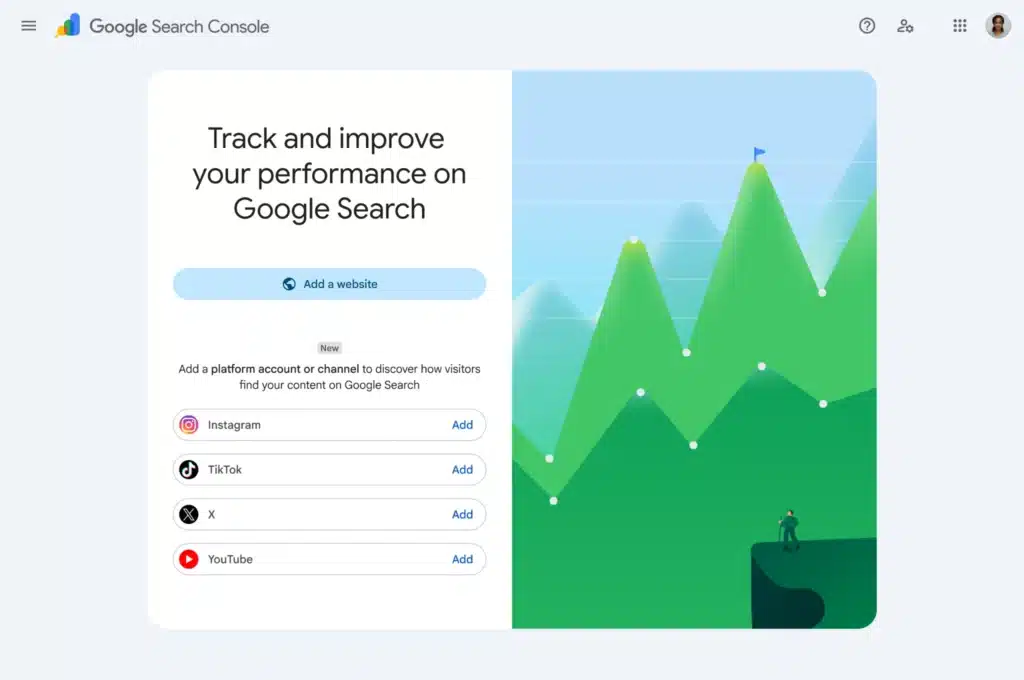
The 2026 Game-Changer: Google Search Console Now Tracks Social and Video Content

Perhaps the most significant development for short-form video marketers didn’t come from Instagram, YouTube, or TikTok at all — it came from Google. On July 7, 2026, Google Search Console rolled out “platform properties,” a new property type that lets creators and brands verify an Instagram, TikTok, X, or YouTube account and track how that content performs directly in Google Search and Discover — with no website required. This gives content creators, publishers, marketing agencies, and account owners without a personal or business website a way to measure their social performance in Google’s own results. The rollout began gradually before expanding to all accounts globally by late July 2026.

Each connected platform property comes with three dedicated report types, modeled closely on the reporting brands already use for their websites:

  • Performance report: Shows clicks, impressions, average CTR, and average search position for the connected account, filterable by search type — Web, Image, Video, or News — to reveal exactly which posts are driving traffic.
  • Insights and comparison tools: Lets marketers filter by trending content, group similar queries, and — critically — compare formats head-to-head, such as contrasting the search traffic generated by short-form content against full-length videos, or evaluating one video playlist against another.
  • Cross-platform export: Marketers can now pull performance data from multiple platform properties into a single spreadsheet — comparing YouTube, Instagram, X, and TikTok side by side for the first time with documented, first-party data.

Why this matters for your short-form video strategy

For years, brands could see follower counts and in-app engagement, but had no visibility into whether their Reels, Shorts, or TikToks were actually surfacing in Google Search or Discover. That blind spot is now closed. If a TikTok video or Instagram Reel starts pulling meaningful impressions for a high-intent search query, that’s a real, documented signal of demand — and a strong candidate to expand into a longer-form SEO asset, blog post, or landing page that can convert that traffic more deliberately.

In practical terms, this means short-form video and SEO are no longer separate disciplines. A caption, title, or on-screen text optimized around real search queries can now drive measurable Google traffic in addition to platform-native reach — and Coin Ideology Digital is already helping clients rebuild their content calendars around this exact overlap.

Pros and Cons of Each Platform

Instagram Reels integrates seamlessly with Meta’s ecosystem and rewards visually polished content, but organic reach remains more moderate than TikTok’s.

YouTube Shorts builds long-term authority and discoverability exceptionally well, but growth is slower and requires more upfront planning.

TikTok excels at virality, engagement, and AI-driven discovery, but the creative bar is high and the audience skews younger — which may not suit every brand.

Which Platform Should You Choose in 2026?

The right platform depends entirely on your business goals:

  • Choose TikTok for rapid growth, viral reach, and brand awareness.
  • Choose Instagram Reels for lead generation and consumer engagement backed by shopping tools.
  • Choose YouTube Shorts for authority-building, education, and long-term trust.

Most successful brands aren’t choosing one — they’re running a coordinated, multi-platform strategy tailored to each audience, and now measuring the combined impact through Google Search Console’s platform properties.

Frequently Asked Questions

Which platform is best for beginners: Instagram Reels, YouTube Shorts, or TikTok? Instagram Reels is the easiest entry point, backed by Meta’s mature ad ecosystem. TikTok rewards creativity and experimentation, while YouTube Shorts suits creators building educational or tutorial-based content.

Can businesses generate leads from short-form video? Yes. Instagram Reels and YouTube Shorts both support links, CTAs, and shopping integrations. TikTok campaigns and influencer partnerships can also convert views into leads, and Google Search Console’s new platform properties now let you verify which posts are actually driving qualified search traffic.

Which platform gives the highest organic reach? TikTok still leads with its discovery-driven “For You” algorithm. Instagram Reels delivers moderate reach through Explore and Stories, while YouTube Shorts grows more gradually through search and subscriptions.

Is TikTok still the best platform for going viral? Yes — its For You Page algorithm continues to give even small, new accounts a real chance at mass visibility.

How often should I post on Reels, Shorts, and TikTok? Daily posting works best on TikTok. Instagram Reels performs well with 3–5 posts per week. YouTube Shorts performs best with 2–4 uploads weekly.

Which platform is better for long-term brand building? YouTube Shorts builds authority and trust most effectively over time. Instagram Reels maintains steady brand presence, while TikTok is best suited to viral campaigns and short-term trend capture.

Can I now track my social video content in Google Search results? Yes. As of July 2026, Google Search Console’s platform properties let you connect an Instagram, TikTok, X, or YouTube account and see clicks, impressions, and the exact search queries driving traffic to your posts — no website required.

Final Thoughts

Short-form video isn’t just a content format — it’s a measurable, search-connected growth channel. TikTok, Instagram Reels, and YouTube Shorts each bring distinct strengths in reach, engagement, and authority, and Google’s new platform properties reporting means brands can finally quantify how that content performs beyond each app’s own walls.

At Coin Ideology Digital, we help brands build short-form video strategies that don’t just chase views — they drive measurable engagement, qualified leads, and search visibility across every platform that matters. Whether you’re just starting with Reels, scaling on TikTok, or building authority through YouTube Shorts, our team can help you connect the dots between platform performance and real business growth. Get in touch with Coin Ideology Digital to build a short-form video strategy tailored to your goals.