Short-form video is no longer a “nice to have” in digital marketing — it’s the backbone of how brands build awareness, earn engagement, and drive measurable revenue. Instagram Reels, YouTube Shorts, and TikTok each run on increasingly sophisticated AI distribution systems, and — in a shift that changes the SEO conversation entirely — this content is now being tracked and measured by Google itself, not just by the platforms hosting it.
At Coin Ideology Digital, we work with brands every day to turn short-form video into a genuine growth channel rather than a vanity metric. This guide breaks down how Reels, Shorts, and TikTok compare — algorithms, audience, reach, monetization, content strategy, and the new search-visibility layer every marketer needs to understand — so you can decide where to invest your time and budget.
Why Short-Form Video Still Rules Digital Marketing
Success on short-form platforms is no longer about follower count — it’s about how well AI distribution systems match your content to the right viewer. A brand-new account can still rack up millions of views if its content resonates, because these algorithms weigh watch time, completion rate, shares, and behavioral signals far more heavily than an account’s size or history.
This has leveled the playing field for small and mid-sized businesses. But 2026 brought a development that raises the stakes even further: short-form video content is now directly measurable inside Google’s own ecosystem, not just inside each platform’s native analytics dashboard. That changes how marketers should think about short-form video — not as a walled-garden engagement tactic, but as a genuine search and discovery channel.
Platform Overview: Reels vs. Shorts vs. TikTok
Instagram Reels
Reels sits inside Instagram’s broader ecosystem — Stories, IG Live, and Instagram Shops all feed into and from it. The audience skews millennial and Gen Z, and the format rewards polished, trend-aware, visually cohesive content. Reels is particularly strong for brands that want to combine organic storytelling with built-in shopping and conversion tools.
YouTube Shorts
Shorts benefits from sitting inside YouTube’s massive recommendation engine, appearing alongside long-form video. This gives brands a natural funnel: a Short can introduce a topic, and the algorithm can guide interested viewers toward a longer, more detailed video on the same channel. Shorts rewards consistency and is especially effective for educational, tutorial, and authority-building content.
TikTok
TikTok remains the platform most built for virality. Its discovery-first algorithm promotes creative, authentic, trend-aware content to highly engaged audiences — regardless of account size or history. TikTok’s audience responds strongly to challenges, sounds, and participatory formats, making it the fastest route to attention-grabbing reach for small businesses.
Algorithm Comparison in 2026
Instagram Reels prioritizes engagement signals — likes, comments, shares, saves, and watch-to-completion. Content that loops smoothly and looks polished performs best, and pairing organic Reels with Meta ad campaigns amplifies reach significantly.
YouTube Shorts is built around watch time and retention, with a strong emphasis on funneling viewers toward a creator’s longer catalog. This makes Shorts uniquely good at building trust and authority over time rather than chasing single-video virality.
TikTok is engineered for discovery. Its “For You” feed evaluates interactions, interests, and real-time trend signals to decide distribution — giving even brand-new accounts a real shot at mass reach. Sound, trends, and participation remain the platform’s strongest growth levers.
Reach and Growth Comparison
TikTok still delivers the highest organic reach and the fastest account growth — new accounts can gain millions of views within days if the content connects. Instagram Reels offers moderate, steady reach amplified by Explore and Stories placement. YouTube Shorts grows more gradually but builds a loyal, retained audience that compounds over time.
If you need quick exposure or viral spikes, TikTok is unmatched. If you’re building durable, long-term audience relationships, Reels and Shorts are the more sustainable investments.
Engagement Rate Comparison
TikTok audiences are the most consistently interactive — commenting, dueting, stitching, and participating in trends at high rates. Instagram Reels engagement tends to concentrate in comments and DMs, and rewards visually polished execution. YouTube Shorts often generates fewer raw interactions but higher rewatch and subscribe rates, since viewers frequently move from a Short into a creator’s broader channel. The real metric that matters isn’t likes — it’s whether engagement translates into a meaningful connection with your audience.
Best Platform for Business and Lead Generation
Instagram Reels performs strongly for B2C lead generation thanks to integrated shopping tools and precise Meta ad targeting. TikTok builds brand awareness exceptionally well, though converting that attention into leads often takes more creative experimentation and a clear off-platform funnel. YouTube Shorts is particularly effective for B2B and educational brands, where credibility built through short videos translates into longer-term opportunities.
At Coin Ideology Digital, we typically recommend a multi-platform approach — using TikTok for reach, Reels for conversion, and Shorts for authority — rather than betting everything on one channel.
Monetization Opportunities
YouTube Shorts continues to offer revenue through the YouTube Partner Program’s Shorts ad-revenue sharing model. TikTok supports creators through its Creator Rewards Program, brand partnerships, and in-app commerce via TikTok Shop. Instagram Reels monetization runs primarily through sponsored content, brand collaborations, and paid Meta ad campaigns, alongside bonus and gifting programs in select markets. Across all three platforms, short-form video has matured into a genuine revenue stream — not just an engagement tactic.
Content Strategy Differences
Each platform still rewards a different creative approach. Instagram Reels performs best with visually polished, trend-aligned content. YouTube Shorts thrives on educational, repeatable formats that funnel viewers into long-form video. TikTok favors authentic, fast-paced, and interactive content built around sound and trend participation.
Posting frequency matters too:
- TikTok: Daily posting is the benchmark for sustained growth.
- Instagram Reels: 3–5 posts per week keeps engagement and reach steady.
- YouTube Shorts: 2–4 uploads per week maintains consistent audience growth without sacrificing quality.
The Game-Changer: Google Search Console Now Tracks Social and Video Content
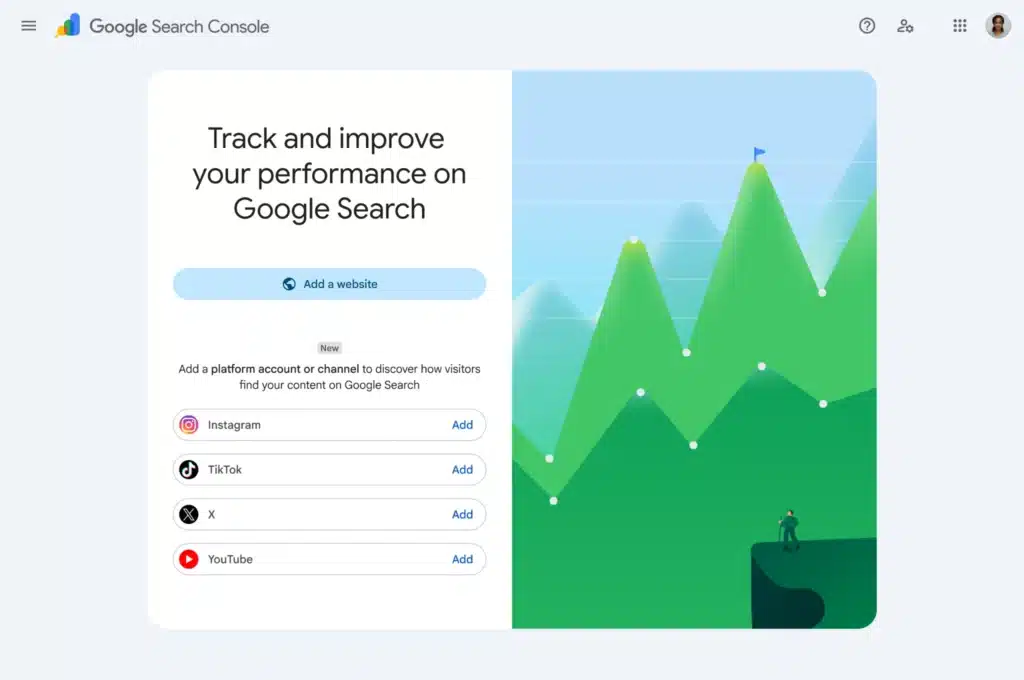
Perhaps the most significant development for short-form video marketers didn’t come from Instagram, YouTube, or TikTok at all — it came from Google. On July 7, 2026, Google Search Console rolled out “platform properties,” a new property type that lets creators and brands verify an Instagram, TikTok, X, or YouTube account and track how that content performs directly in Google Search and Discover — with no website required. This gives content creators, publishers, marketing agencies, and account owners without a personal or business website a way to measure their social performance in Google’s own results. The rollout began gradually before expanding to all accounts globally by late July 2026.
Each connected platform property comes with three dedicated report types, modeled closely on the reporting brands already use for their websites:
- Performance report: Shows clicks, impressions, average CTR, and average search position for the connected account, filterable by search type — Web, Image, Video, or News — to reveal exactly which posts are driving traffic.
- Insights and comparison tools: Lets marketers filter by trending content, group similar queries, and — critically — compare formats head-to-head, such as contrasting the search traffic generated by short-form content against full-length videos, or evaluating one video playlist against another.
- Cross-platform export: Marketers can now pull performance data from multiple platform properties into a single spreadsheet — comparing YouTube, Instagram, X, and TikTok side by side for the first time with documented, first-party data.
Why this matters for your short-form video strategy
For years, brands could see follower counts and in-app engagement, but had no visibility into whether their Reels, Shorts, or TikToks were actually surfacing in Google Search or Discover. That blind spot is now closed. If a TikTok video or Instagram Reel starts pulling meaningful impressions for a high-intent search query, that’s a real, documented signal of demand — and a strong candidate to expand into a longer-form SEO asset, blog post, or landing page that can convert that traffic more deliberately.
In practical terms, this means short-form video and SEO are no longer separate disciplines. A caption, title, or on-screen text optimized around real search queries can now drive measurable Google traffic in addition to platform-native reach — and Coin Ideology Digital is already helping clients rebuild their content calendars around this exact overlap.
Pros and Cons of Each Platform
Instagram Reels integrates seamlessly with Meta’s ecosystem and rewards visually polished content, but organic reach remains more moderate than TikTok’s.
YouTube Shorts builds long-term authority and discoverability exceptionally well, but growth is slower and requires more upfront planning.
TikTok excels at virality, engagement, and AI-driven discovery, but the creative bar is high and the audience skews younger — which may not suit every brand.
Which Platform Should You Choose in 2026?
The right platform depends entirely on your business goals:
- Choose TikTok for rapid growth, viral reach, and brand awareness.
- Choose Instagram Reels for lead generation and consumer engagement backed by shopping tools.
- Choose YouTube Shorts for authority-building, education, and long-term trust.
Most successful brands aren’t choosing one — they’re running a coordinated, multi-platform strategy tailored to each audience, and now measuring the combined impact through Google Search Console’s platform properties.
Frequently Asked Questions
Which platform is best for beginners: Instagram Reels, YouTube Shorts, or TikTok? Instagram Reels is the easiest entry point, backed by Meta’s mature ad ecosystem. TikTok rewards creativity and experimentation, while YouTube Shorts suits creators building educational or tutorial-based content.
Can businesses generate leads from short-form video? Yes. Instagram Reels and YouTube Shorts both support links, CTAs, and shopping integrations. TikTok campaigns and influencer partnerships can also convert views into leads, and Google Search Console’s new platform properties now let you verify which posts are actually driving qualified search traffic.
Which platform gives the highest organic reach? TikTok still leads with its discovery-driven “For You” algorithm. Instagram Reels delivers moderate reach through Explore and Stories, while YouTube Shorts grows more gradually through search and subscriptions.
Is TikTok still the best platform for going viral? Yes — its For You Page algorithm continues to give even small, new accounts a real chance at mass visibility.
How often should I post on Reels, Shorts, and TikTok? Daily posting works best on TikTok. Instagram Reels performs well with 3–5 posts per week. YouTube Shorts performs best with 2–4 uploads weekly.
Which platform is better for long-term brand building? YouTube Shorts builds authority and trust most effectively over time. Instagram Reels maintains steady brand presence, while TikTok is best suited to viral campaigns and short-term trend capture.
Can I now track my social video content in Google Search results? Yes. As of July 2026, Google Search Console’s platform properties let you connect an Instagram, TikTok, X, or YouTube account and see clicks, impressions, and the exact search queries driving traffic to your posts — no website required.
Final Thoughts
Short-form video isn’t just a content format — it’s a measurable, search-connected growth channel. TikTok, Instagram Reels, and YouTube Shorts each bring distinct strengths in reach, engagement, and authority, and Google’s new platform properties reporting means brands can finally quantify how that content performs beyond each app’s own walls.
At Coin Ideology Digital, we help brands build short-form video strategies that don’t just chase views — they drive measurable engagement, qualified leads, and search visibility across every platform that matters. Whether you’re just starting with Reels, scaling on TikTok, or building authority through YouTube Shorts, our team can help you connect the dots between platform performance and real business growth. Get in touch with Coin Ideology Digital to build a short-form video strategy tailored to your goals.